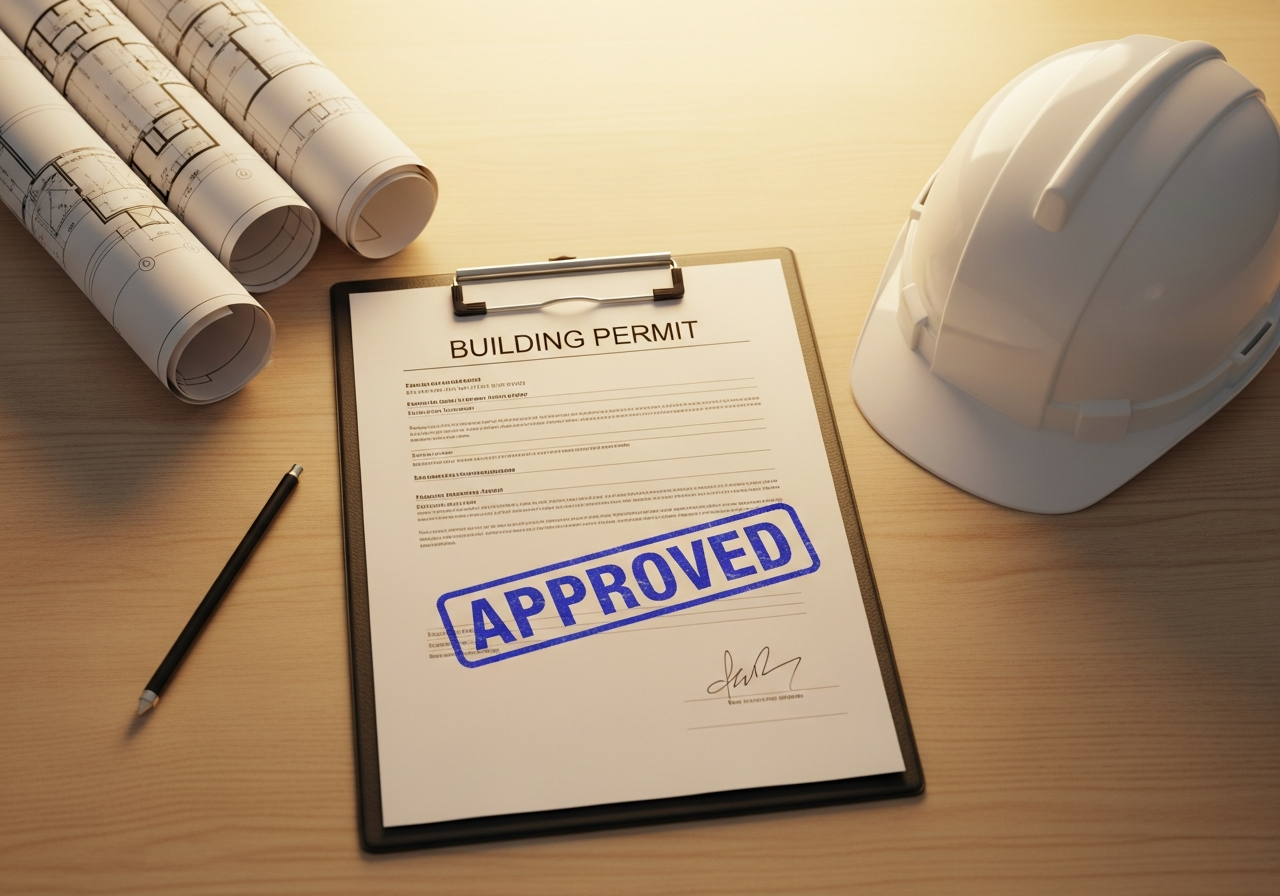
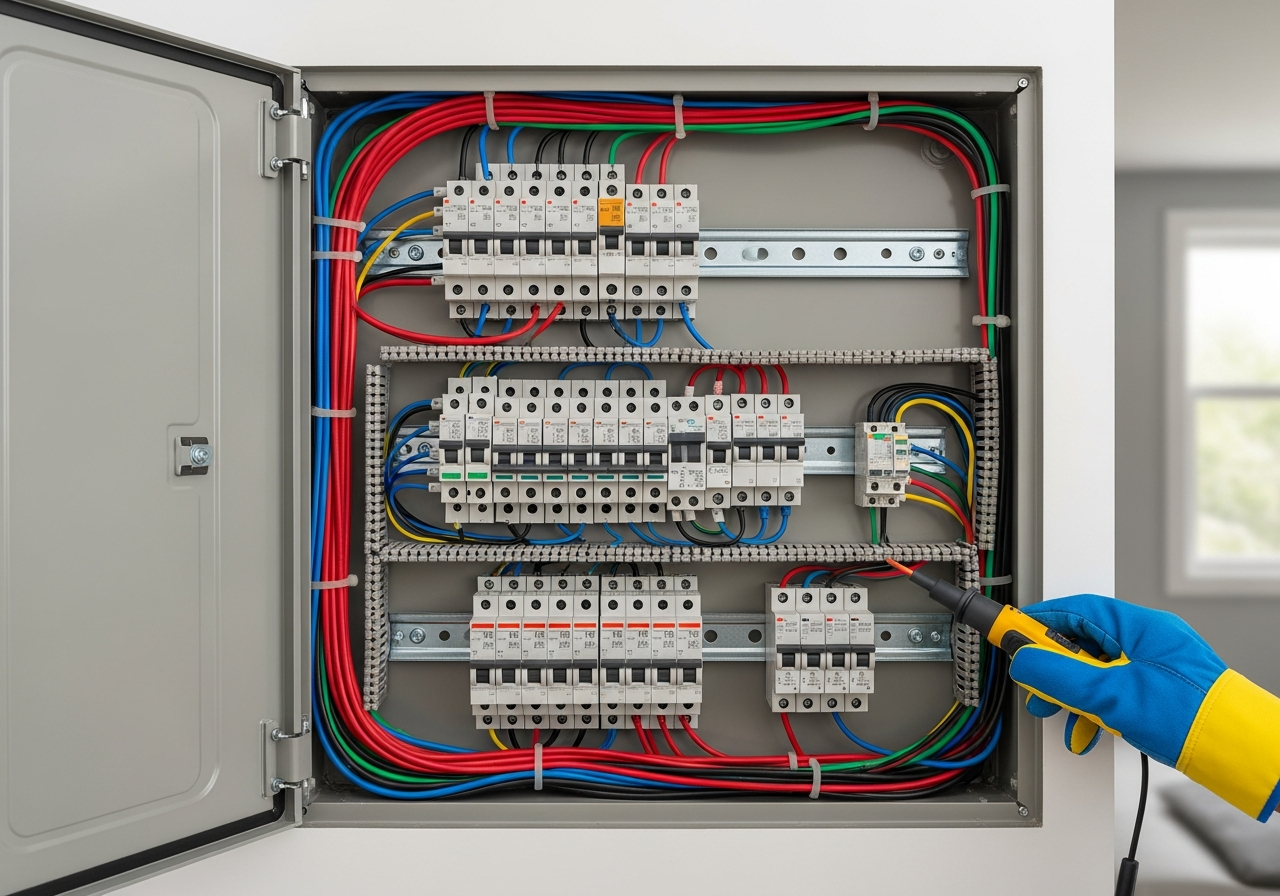
Electrical work is one of the most heavily regulated trades in Florida, and for good reason: faulty wiring is a leading cause of house fires and a serious safety hazard. So when homeowners ask whether their project needs an electrical permit, the honest answer is that far more of it does than most people assume.
Under the Florida Building Code and the National Electrical Code it adopts, nearly any work that adds, modifies, or replaces wiring, circuits, or electrical equipment requires a permit. This guide breaks down which electrical projects need one, the handful that are typically exempt, and why using a licensed electrician matters so much in Florida.
Electrical Work That Requires a Permit
If your project changes the electrical system rather than simply swapping a like-for-like device, plan on pulling a permit. The most common permitted projects include:
- Panel changes and service upgrades — replacing your electrical panel or increasing service amperage (for example, from 100A to 200A).
- New circuits and wiring — adding outlets, dedicated circuits, or rewiring rooms.
- EV chargers — installing a Level 2 charger almost always requires a dedicated circuit and a permit.
- Generators — whole-home standby generators and their transfer switches require electrical (and often gas/mechanical) permits.
- Pool and spa wiring — bonding and dedicated circuits for pumps and heaters.
- Solar and battery systems — PV arrays, inverters, and battery storage.
- Whole-home rewires and additions — any new living space needs full electrical permitting.
What's Usually Exempt
Some minor electrical tasks are genuinely exempt in most Florida jurisdictions. Simple like-for-like replacements — swapping a light fixture, replacing a switch or receptacle, or changing a ceiling fan where wiring already exists — typically don't require a permit.
But exemptions are narrow and set locally. The moment you add a new circuit, move wiring, or change the load, a permit is back in play. When you're unsure, a quick check with your building department — or with a permit expert like CORE GROUP — is far cheaper than an after-the-fact penalty.
Why Florida Requires a Licensed Electrician
In most cases, an electrical permit in Florida must be pulled by a state-certified or county-registered electrical contractor. The permit is the jurisdiction's way of confirming that licensed professionals did the work to code and that inspectors verified it.
This matters for more than compliance. Insurance carriers can deny claims for fire or damage tied to unpermitted electrical work, and unlicensed wiring often surfaces during a home sale, where it can derail the closing. A permitted, inspected installation protects your safety, your coverage, and your property value.
Owner-Builder Electrical Work
Florida does allow homeowners to pull owner-builder permits for certain work on their own primary residence, including some electrical projects. But the permit and all inspections are still required, and the code standards don't change. Given the safety stakes, most homeowners are better off hiring a licensed electrician.
The Risks of Skipping the Permit
Unpermitted electrical work rarely stays hidden, and the consequences are serious. Beyond the immediate fire and shock hazards, homeowners face real financial exposure:
- Stop-work orders and daily code enforcement fines.
- After-the-fact permits at several times the normal fee, often requiring walls to be opened so inspectors can verify wiring.
- Denied insurance claims for fire or electrical damage.
- Failed home inspections and price reductions when selling.
Not Sure? Let Us Confirm It
Electrical rules vary between Florida jurisdictions, and the line between exempt and permitted work isn't always obvious. Rather than guess, describe your project to a team that works with these departments every day.
At CORE GROUP we handle permit management across Florida: we confirm whether your electrical project needs a permit, prepare the required documents and drawings, and manage the application through inspection and approval so the work is done right and on the record.