
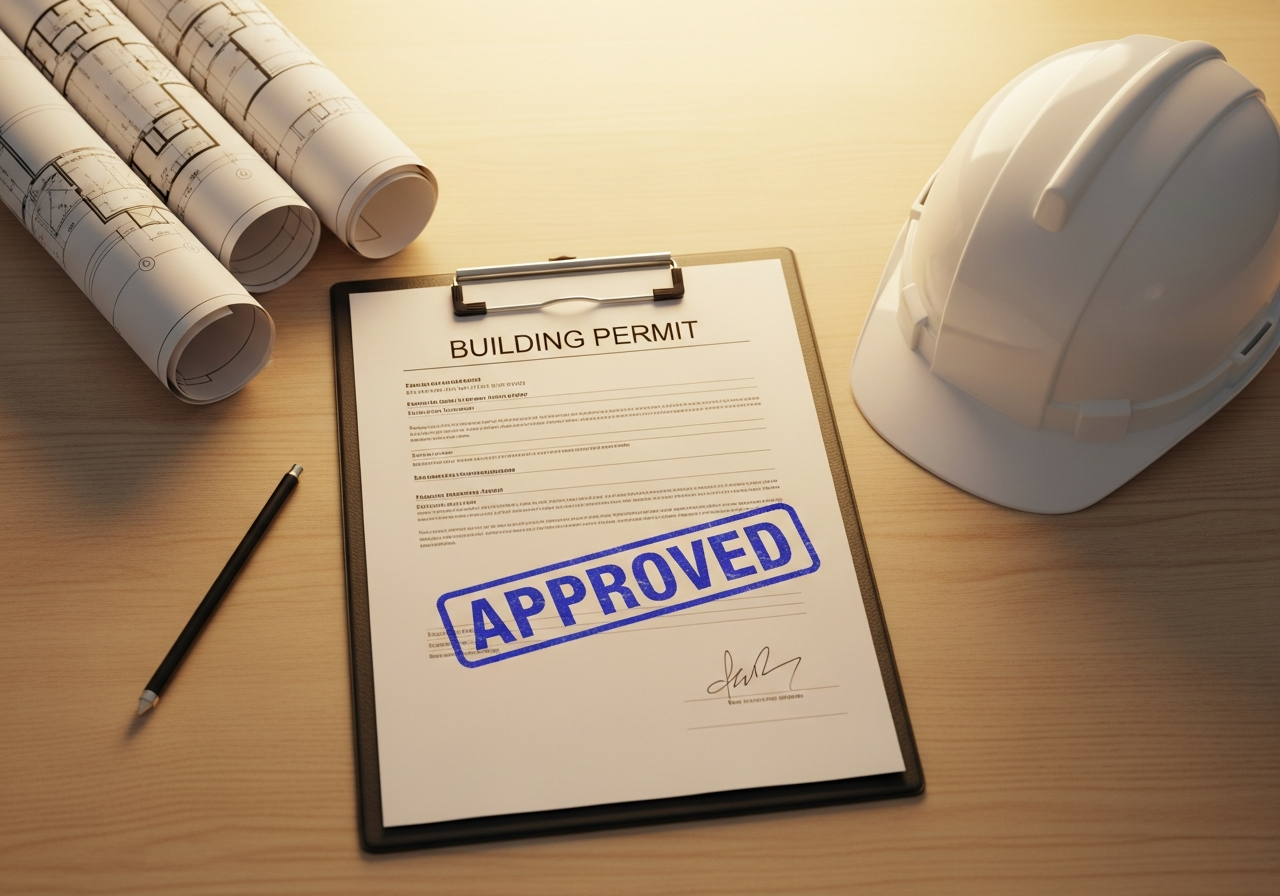
It's one of the first questions every Florida homeowner and business owner asks before starting a project: do I actually need a permit for this? The short answer is that in Florida, most construction work does require a permit — more than most people expect.
Under the Florida Building Code, any work that constructs, enlarges, alters, repairs, moves, or demolishes a building or structure generally requires a permit from your local building department. That includes many projects people assume are "too small" to matter, like replacing a water heater or installing a fence. This guide explains when a permit is required, what's typically exempt, and what happens if you skip the process.
Projects That Almost Always Require a Permit in Florida
Every county and municipality in Florida administers permitting a little differently, but the Florida Building Code sets the baseline statewide. If your project falls into any of these categories, plan on pulling a permit:
- Additions, new construction, and structural changes — adding a room, enclosing a garage, removing or altering a load-bearing wall.
- Roofing — full re-roofs and most significant repairs, especially in high-velocity hurricane zones like Miami-Dade and Broward.
- Electrical work — new circuits, panel changes, service upgrades, generators, and EV chargers.
- Plumbing and mechanical — repiping, water heater replacement, HVAC change-outs, and new gas lines.
- Windows and doors — replacements must meet wind-load and impact requirements in much of Florida.
- Pools, spas, and hot tubs — including the required child-safety barriers.
- Fences, sheds, driveways, and pavers — rules vary by city, but most jurisdictions require at least a simple permit.
- Demolition of any structure.
What's Usually Exempt
Some work is genuinely exempt from permitting in most Florida jurisdictions. Cosmetic, non-structural projects like painting, wallpaper, carpet and flooring (in most cities), cabinet refacing, and minor repairs such as swapping a faucet or a light fixture typically don't need a permit.
Be careful, though: exemptions are set locally and the details matter. A shed under a certain square footage may be exempt in one county and permitted in the next. Flooring is exempt in most single-family homes but may require a permit in condominiums. When in doubt, a quick check with your local building department — or with a permit expediter like CORE GROUP — is far cheaper than guessing wrong.
Why Florida Takes Permits So Seriously
Florida has some of the strictest building requirements in the country for good reason: hurricanes. After Hurricane Andrew in 1992, the state overhauled its codes, and today's Florida Building Code exists to make sure structures can withstand extreme wind, rain, and flooding.
A permit is how your local jurisdiction verifies that licensed professionals designed and built your project to that standard. Inspections along the way confirm the work matches the approved plans. It protects your safety, your insurance coverage, and your property value.
What Happens If You Build Without a Permit?
Unpermitted work rarely stays hidden. It surfaces when you sell the home, file an insurance claim, or when a neighbor or inspector reports it. The consequences can include:
- Stop-work orders and code enforcement fines that accrue daily.
- Being required to obtain an after-the-fact permit, usually at a multiple of the normal fee.
- Tearing out finished work so inspectors can see what's behind walls.
- Denied insurance claims for damage related to unpermitted work.
- Complications and price reductions when selling the property.
Already Have Unpermitted Work?
Don't panic — Florida jurisdictions have an established process for legalizing existing work through after-the-fact permits. It usually involves having a design professional document the as-built conditions, preparing the required documents, and coordinating inspections. CORE GROUP manages this process regularly.
How to Find Out for Sure
The permitting authority is your city or county building department, and each publishes its own list of exempt work. But reading municipal code isn't how most people want to spend a weekend. The fastest path is to describe your project to a professional who works with these departments every day.
At CORE GROUP we handle permit management across Florida: we confirm exactly what your jurisdiction requires, prepare the plans and drawings that plan reviewers expect, and manage the application through approval. If your community has an HOA, we also handle the HOA approval that's usually required before the city will even look at your application.