
If you live in a community with a homeowners association, there's a second approval you can't ignore before you start most exterior projects: your HOA's. Many Florida homeowners assume that a building permit is the only sign-off they need, then find out — sometimes after the work is done — that their HOA required approval too, and now they're facing fines or an order to undo the project.
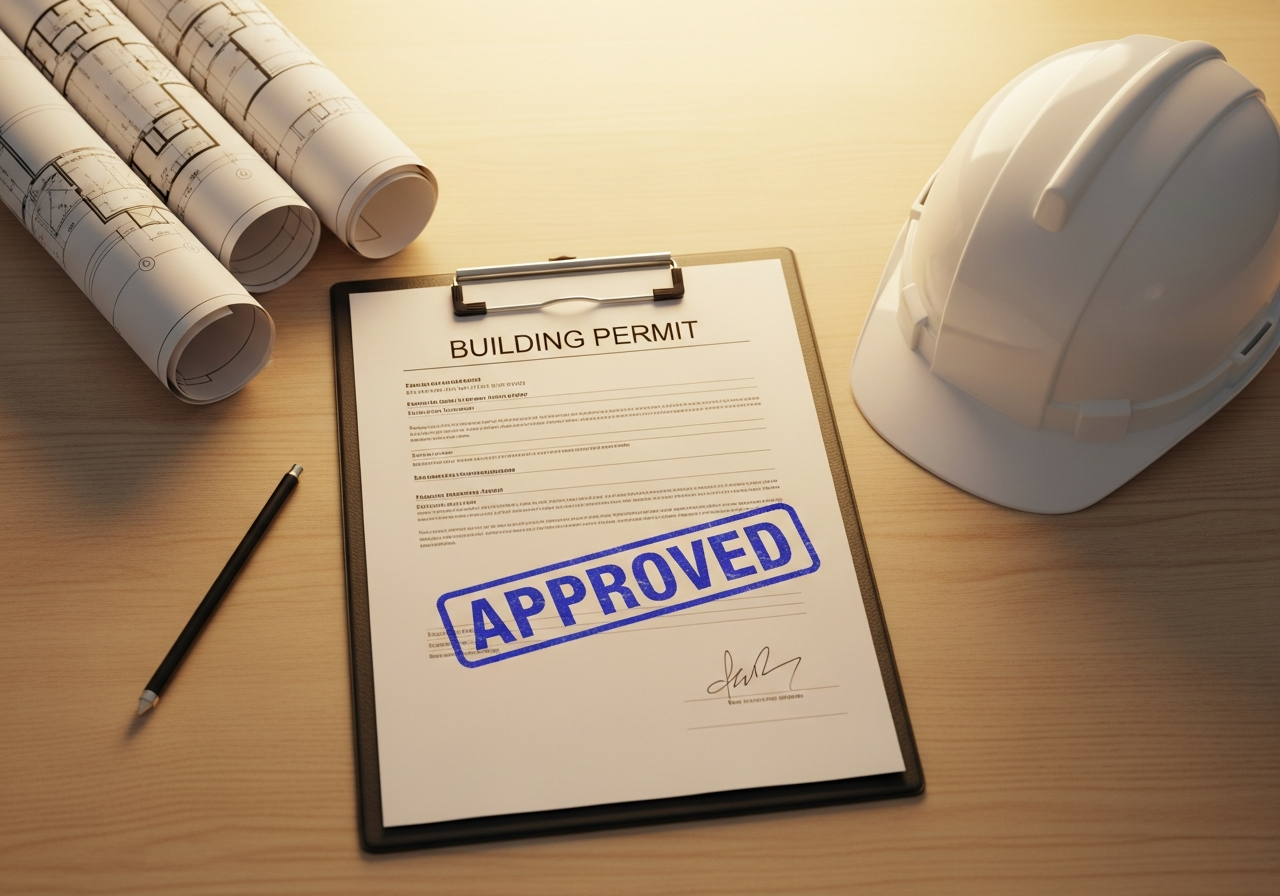
HOA approval and a building permit are two separate processes that often run in parallel. The city or county cares about safety and code; your HOA cares about how your project looks and whether it fits the community's standards. This guide explains when HOA approval is required in Florida, how the review process works, and how it connects to your permit.
What HOA Approval Actually Is
When you buy into an HOA community, you agree to a set of recorded rules — usually called the CC&Rs (Covenants, Conditions & Restrictions) — that govern what you can do to your property. Most associations enforce these through an Architectural Review Committee (ARC), sometimes called an ARB (Architectural Review Board).
Before you make many exterior changes, you submit an application to the ARC. The committee reviews it against the community's design guidelines and either approves it, approves it with conditions, or denies it. This is entirely separate from the government permit process — the ARC has no authority over building code, and the building department has no authority over your HOA's aesthetic rules.
Projects That Usually Need HOA Approval
HOA guidelines vary widely, but exterior and visible changes are almost always subject to review. Common projects that require ARC approval include:
- Exterior paint colors and roof material or color changes.
- Fences, walls, and gates.
- Pools, spas, and screen enclosures.
- Additions, patios, pergolas, and outdoor structures.
- Driveway expansions, pavers, and hardscaping.
- Landscaping changes, trees, and artificial turf.
- Solar panels, generators, and satellite dishes.
- Windows, doors, and hurricane shutters visible from the street.
How the ARC Review Process Works
The ARC process is more predictable than most homeowners expect, but it takes time — and that time needs to be built into your project schedule. A typical review looks like this:
- Submit an application with drawings, a site plan, product specs, and color samples.
- The committee reviews the request against the community's design guidelines.
- The ARC issues an approval, a conditional approval, or a denial with reasons.
- You may need to revise and resubmit if the committee requests changes.
How Long Does It Take?
Florida law gives associations a window to respond to certain requests, and many HOAs meet monthly, so a single review cycle can take several weeks. If you miss a meeting or the committee requests revisions, it can stretch longer. Because the city often wants proof of HOA approval before it will finalize your building permit, starting the ARC process early keeps your whole project on track.
HOA Approval and Your Building Permit
Here's where it gets confusing for a lot of homeowners: many Florida jurisdictions will require evidence of HOA approval before they issue or finalize a permit, and your HOA may require you to show your permit or professionally prepared plans as part of its review. The two processes feed each other.
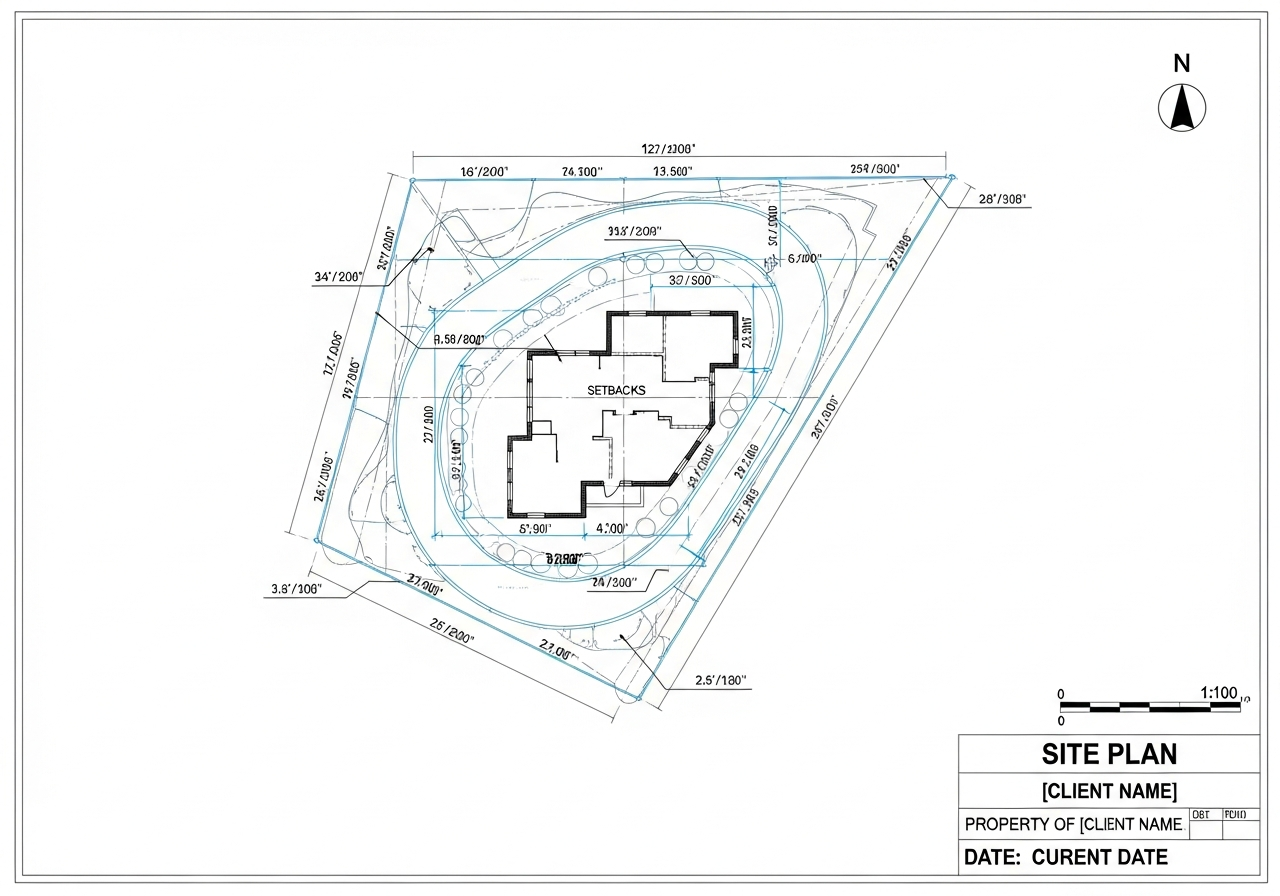
That's why it pays to prepare a single, consistent package — plans and a site plan that satisfy both the ARC and the building department. Submitting mismatched documents to each is a common cause of delays. When both reviews reference the same clear drawings, everything moves faster.
What Happens If You Skip HOA Approval?
Unlike a city, an HOA can't issue a stop-work order, but the consequences of skipping approval can still be serious. Associations can levy fines, place a lien on your property, and in some cases require you to remove or redo unapproved work at your own expense — even if the city permitted it.
If you've already completed work without ARC approval, don't panic. Most associations have a process for after-the-fact review, and a well-prepared submittal that documents what was built often resolves the issue. CORE GROUP handles HOA and ARC approvals regularly, including retroactive requests.
How to Handle HOA Approval the Easy Way
You can navigate the ARC process yourself by reading your community's CC&Rs and design guidelines, but the paperwork, drawings, and timing often overwhelm homeowners — especially when the permit and HOA reviews have to be coordinated.
At CORE GROUP we manage HOA approvals across Florida alongside your building permit, preparing one consistent set of documents that satisfies both. We know what ARCs look for and how to present a project so it's approved the first time. If you're planning an exterior change, reach out and we'll map out both approvals for you.