Plumbing hides inside walls and under slabs, which makes it tempting to treat as invisible — until a leak, a failed inspection, or a home sale brings it into the light. In Florida, most plumbing work beyond simple fixture swaps requires a permit, and the rules are stricter than many homeowners expect.
The reason is water itself: bad plumbing doesn't just fail, it contaminates drinking water, breeds mold, and quietly destroys structures. This guide covers which plumbing projects need a permit in Florida, which don't, and why the water heater in your garage is the most commonly unpermitted item in the state.
Plumbing Work That Requires a Permit
As a rule of thumb: if the work changes the piping — supply, drain, vent, or gas — it needs a permit. The most common permitted plumbing projects include:
- Water heater replacements — tank or tankless, like-for-like or upgraded, a water heater changeout requires a plumbing permit in virtually every Florida jurisdiction (tankless conversions usually add an electrical or gas permit).
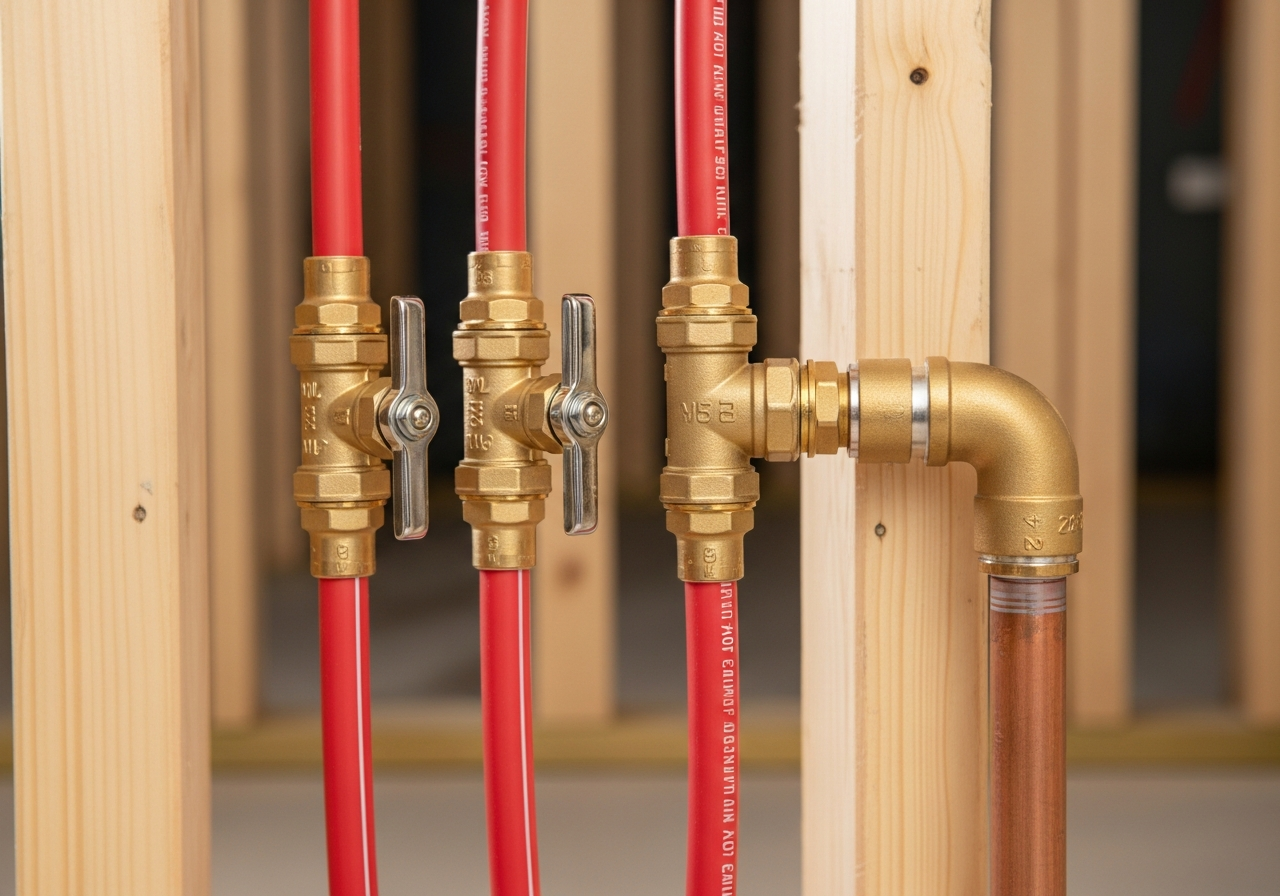
- Repipes — replacing supply lines (for example, old polybutylene or corroded copper with PEX or CPVC) is a permitted, inspected project.
- Moving or adding fixtures — relocating a sink, adding a bathroom, or roughing in a laundry room changes drain and vent piping.
- Drain and sewer work — repairing or replacing drain lines, sewer laterals, and cleanouts.
- Backflow preventers and irrigation connections — anything protecting the potable supply is permit-and-test territory.
- Gas piping — new or modified gas lines to ranges, dryers, water heaters, or generators.
What's Usually Exempt
Like-for-like fixture swaps that reuse the existing connections generally don't need a permit: replacing a faucet, toilet, garbage disposal, or shower head, repairing a fill valve, or clearing a clogged drain. The line is crossed the moment piping is altered, moved, or added.
The Water Heater: Florida's Most Commonly Unpermitted Job
Water heater changeouts are quick, so they're often done same-day without a permit — and that's how thousands of Florida homes end up with an unpermitted installation on record-less file. But the permit exists for real reasons: the inspection verifies the temperature-and-pressure relief valve and its discharge line, the drain pan and drainage where required, seismic and stability strapping, and the electrical or gas connection.
A failed T&P valve on an unpermitted heater is exactly the kind of event where an insurer digs into paperwork. If you've had a water heater replaced recently, it's worth checking whether a permit was pulled — a quick search on your jurisdiction's permit portal will tell you.
Remodels: Where Plumbing Permits Get Missed
Bathroom and kitchen remodels are where plumbing permit mistakes concentrate. Keeping every fixture in its existing location usually keeps the plumbing scope exempt — but the moment the toilet moves a foot, the shower becomes a freestanding tub, or an island sink is added, you're modifying drain, vent, and supply piping that must be permitted and inspected before the walls close.
This matters doubly in Florida because so much drain work happens under the slab. Cutting and re-routing under-slab drains without inspection is a serious problem to unwind later — there is no practical way to verify the work without opening the floor again.
Who Can Pull a Plumbing Permit
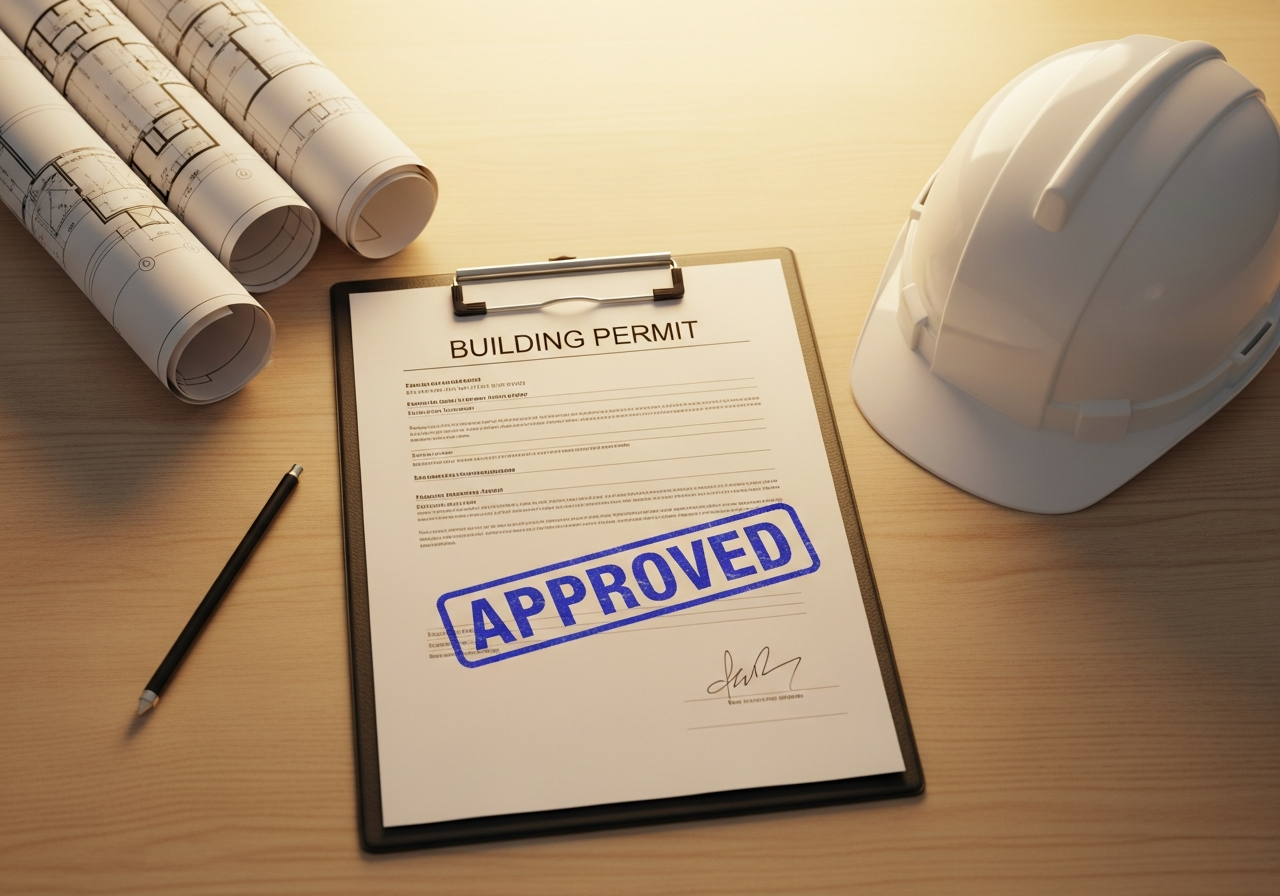
Florida requires plumbing permits to be pulled by a state-certified or registered plumbing contractor in most cases. The owner-builder exemption lets homeowners permit some plumbing work on their own primary residence, but the permit, code standards, and inspections apply either way.
Because supply piping carries drinking water, inspectors pay particular attention to cross-connection protection, approved materials, and pressure testing — details that separate professional work from a weekend project.
The Cost of Skipping the Permit
Unpermitted plumbing shares the usual consequences — code enforcement citations, after-the-fact permits at multiplied fees, complications at sale time — with one aggravating factor: verification often requires opening finished walls or floors so the inspector can see the piping.
At CORE GROUP we handle permit management across Florida: we confirm whether your plumbing project needs a permit, prepare the application and any required drawings, and manage it through final inspection. If you've discovered unpermitted plumbing in your home, we can help legalize it with an after-the-fact permit.