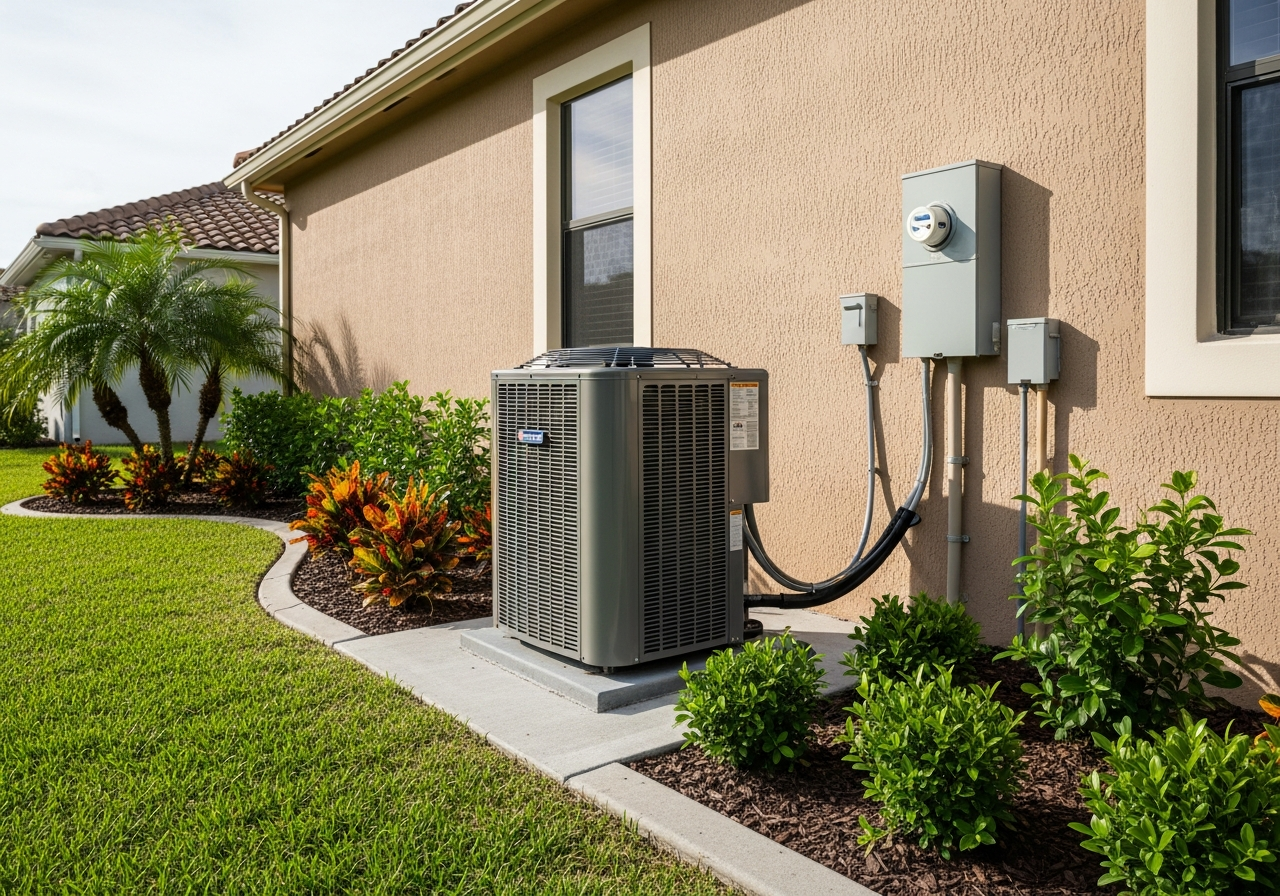
In Florida, air conditioning isn't a luxury — it's the system your home depends on most. So it surprises many homeowners to learn that replacing an AC unit, even a straightforward like-for-like swap, requires a mechanical permit in virtually every Florida jurisdiction.
HVAC permits exist because these systems combine refrigerant under pressure, high-amperage electrical circuits, condensate drainage, and — for gas furnaces — combustion venting. This guide covers which HVAC projects need a permit, the few that don't, and what the inspection actually verifies.
HVAC Work That Requires a Permit
If the project involves installing, replacing, or relocating equipment — rather than simply maintaining it — plan on a mechanical permit. The most common permitted HVAC projects include:
- AC and heat pump changeouts — replacing the condenser, air handler, or both, even with the same size and type of equipment.
- New systems — first-time central air, or adding a system to an addition.
- Mini-splits — ductless systems require mechanical and usually electrical permits, even single-zone units.
- Ductwork — replacing or significantly modifying duct systems, or adding new supply runs.
- Gas furnaces and package units — anything involving combustion adds gas piping and venting review.
- Relocating equipment — moving a condenser or air handler to a new location triggers permit review of the new placement.
What's Usually Exempt
Routine maintenance and minor repairs don't need a permit: refrigerant recharges, capacitor and fan motor replacements, thermostat swaps, coil cleanings, and filter changes. The dividing line is equipment replacement — the moment the condenser or air handler itself is changed out, a permit applies.
Why a Like-for-Like AC Swap Still Needs a Permit
The most common pushback we hear is: "It's the same size unit in the same spot — why does the city care?" A few reasons:
- Energy code compliance — Florida sets minimum SEER2 efficiency standards, and the permit verifies the new equipment meets them.
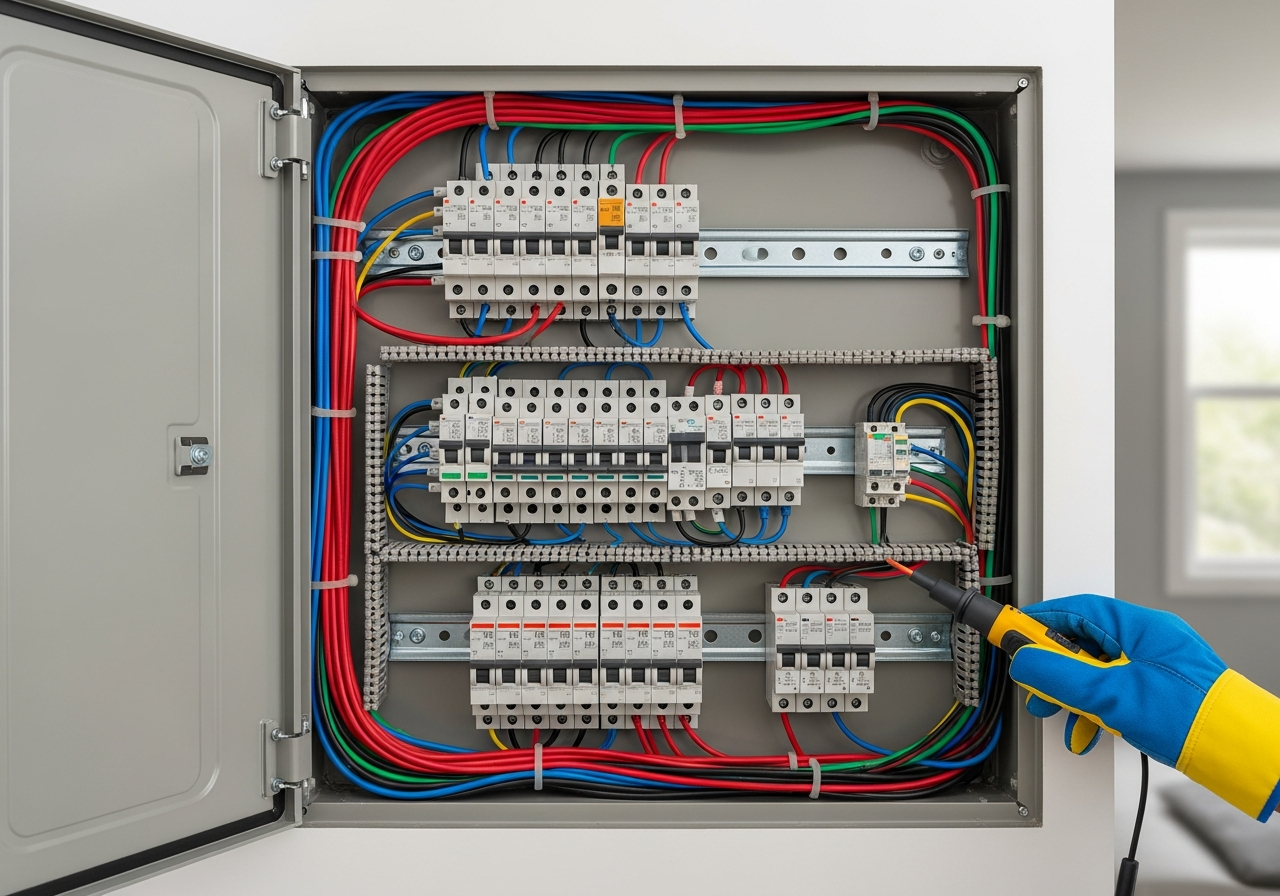
- Electrical safety — new equipment often has different amperage requirements; the inspection confirms breaker and wire sizing match.
- Hurricane tie-downs — Florida requires condensers to be anchored against uplift, one of the most commonly failed inspection items.
- Condensate management — improperly drained condensate lines cause mold and ceiling damage; code requires proper drains, traps, and overflow protection.
- Sizing — an oversized or undersized system short-cycles and breeds humidity problems; some jurisdictions require load calculations.
Who Can Pull the Permit
In Florida, mechanical permits generally must be pulled by a state-certified or registered air conditioning contractor. Refrigerant handling also requires EPA certification, which is federal law regardless of what your county allows.
Florida's owner-builder exemption technically extends to some mechanical work on your own primary residence, but between the refrigerant rules, electrical work, and warranty terms — most manufacturers void warranties on installations by unlicensed installers — a DIY changeout rarely makes sense.
The Risks of an Unpermitted AC Install
Unpermitted HVAC work is easy for a jurisdiction to spot — a brand-new condenser with no permit on file speaks for itself, and permits are public records that home inspectors and insurers check. The consequences follow a familiar pattern:
- Code enforcement citations and after-the-fact permit fees at a multiple of the original cost.
- Voided manufacturer warranties on equipment installed by unlicensed contractors.
- Insurance complications if an electrical fault or water damage traces back to the unpermitted install.
- Sale-time problems — unpermitted equipment surfaces in inspections and permit searches, forcing last-minute legalization at your expense.
Replacing Your AC? Make Sure the Permit Is Part of the Quote
A reputable Florida HVAC contractor includes the permit in their price and schedules the final inspection — if a bid is noticeably cheaper because "we don't need a permit," that's a red flag, not a discount.
At CORE GROUP we handle permit management across Florida: we confirm what your jurisdiction requires for your HVAC project, coordinate the mechanical and electrical permits, and see the application through final inspection so your system is safe, warrantied, and on the record.