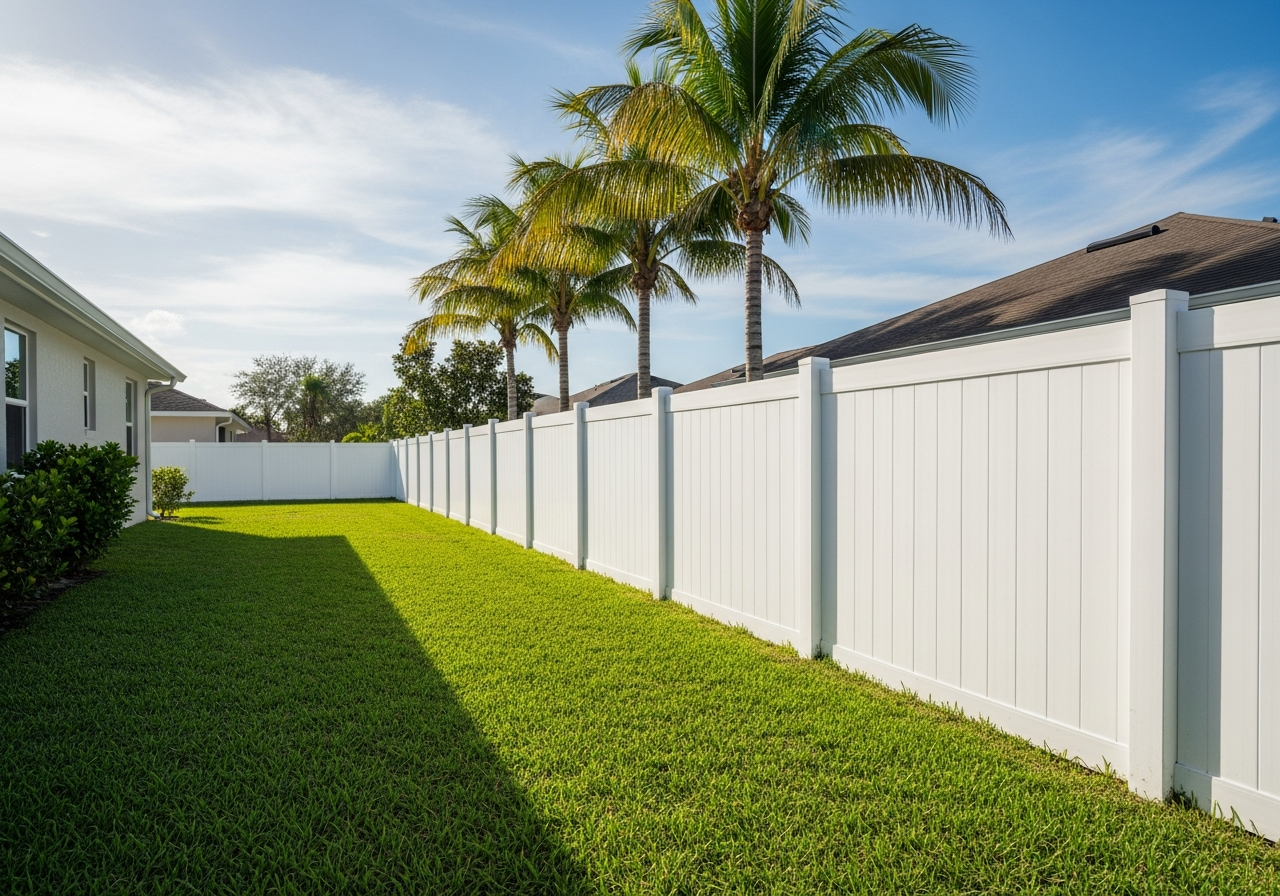
A fence feels like the simplest project a homeowner can take on — posts, panels, done. But in most Florida cities and counties, a new fence or a full fence replacement requires a permit before the first post goes in the ground.
The rules exist because fences affect more than your own yard: they sit near property lines, can block drainage and visibility, and in Florida they often double as required pool safety barriers. This guide covers when a fence permit is required, the height and setback rules that trip homeowners up, and how HOA approval fits into the picture.
When a Fence Permit Is Required
Most Florida jurisdictions require a permit for any new fence and for replacing an existing fence in a new location, at a new height, or with a different material. Common permitted fence projects include:
- New fences of any material — wood, vinyl/PVC, aluminum, chain link, or masonry walls.
- Full fence replacements — even in the same footprint, many cities treat a tear-out-and-rebuild as new construction.
- Fences serving as pool barriers — these must meet strict Florida pool safety code requirements for height, gaps, and self-latching gates.
- Retaining walls and masonry walls — usually reviewed as structures, sometimes with engineering.
- Gates and gate operators — motorized driveway gates typically need both a fence permit and an electrical permit.
What About Repairs?
Minor repairs — replacing a few damaged pickets or one broken panel in kind — are usually exempt. But the threshold is local: some jurisdictions allow repair of a percentage of the fence without a permit, while others require one once you're replacing whole sections. When a storm takes down most of a fence, plan on permitting the rebuild.
Height Limits, Setbacks, and Corner Lots
Fence permits exist largely to enforce zoning rules, and these are where projects most often go wrong:
- Height limits — a typical Florida pattern is 6 feet in side and rear yards and 4 feet (sometimes 3) in the front yard, but every city sets its own numbers.
- Property lines — the fence must be on your property. A survey is the only reliable way to know where the line is, and many permits require one.
- Corner lots and visibility triangles — fences near street intersections and driveways must stay low or set back so they don't block sightlines for drivers.
- Easements — utility and drainage easements often cross residential lots; some jurisdictions prohibit fences in them or make you sign an agreement to remove the fence at your cost if the utility needs access.
- Finished side out — many codes require the finished face of the fence to point toward the neighbor or street.
Pool Fences Are a Special Case
Florida's Residential Swimming Pool Safety Act requires every pool to have a barrier, and a fence is the most common way to comply. Pool barrier fences must generally be at least 4 feet high, have no gaps or openings a small child could pass through, and use self-closing, self-latching gates that open away from the pool.
If your fence is part of a pool enclosure — or you're removing a fence that currently serves as the pool barrier — the permit review will look closely at these requirements. Getting them wrong is one of the most common reasons fence inspections fail.
Don't Forget the HOA
A city permit and HOA approval are two separate hurdles, and you usually need both. Your HOA can regulate fence material, color, height, and style even when the city allows something different — and an approved permit doesn't protect you from an HOA violation.
Submit your HOA architectural review application early, because many boards meet only monthly. We cover the process in detail in our guide to HOA approval.
What a Fence Permit Application Includes
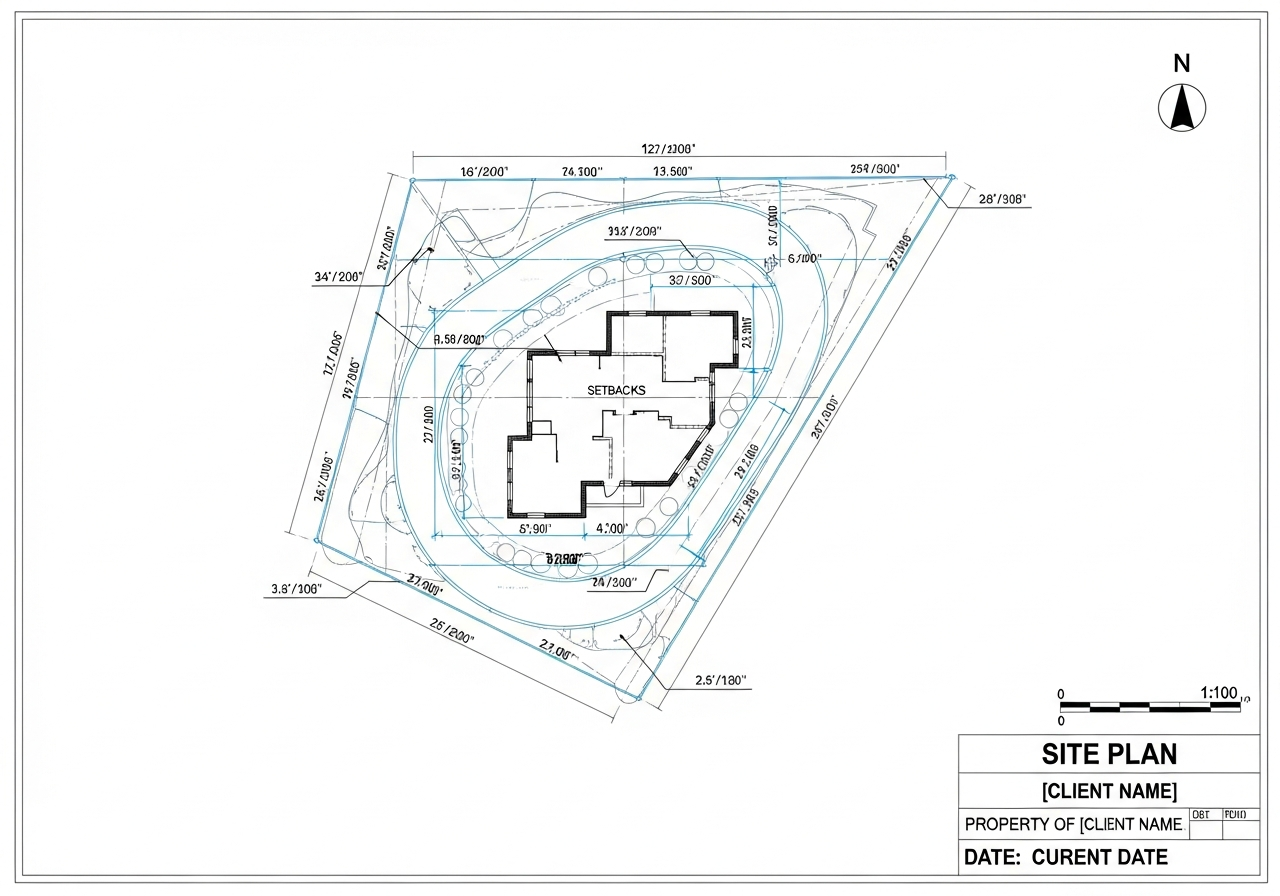
The good news: fence permits are among the simpler permits to obtain. A typical application includes a completed permit form, a copy of your property survey or a site plan marking the fence location and heights, product details for the fence material, and a notice of commencement if the contract exceeds the state threshold.
At CORE GROUP we handle permit management across Florida — we confirm your city's fence rules, prepare the drawings and forms, and manage the application through approval so your fence goes up without code enforcement letters coming after it.