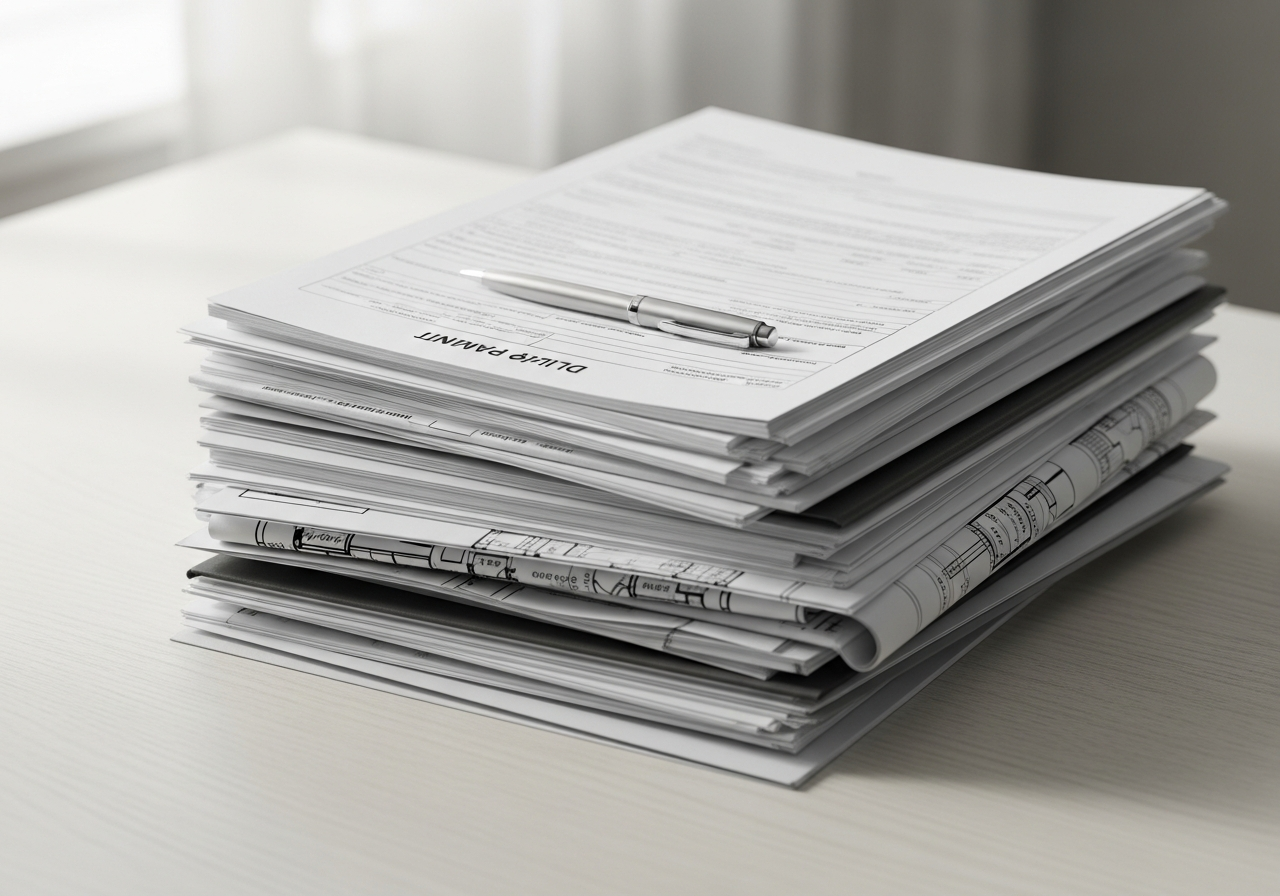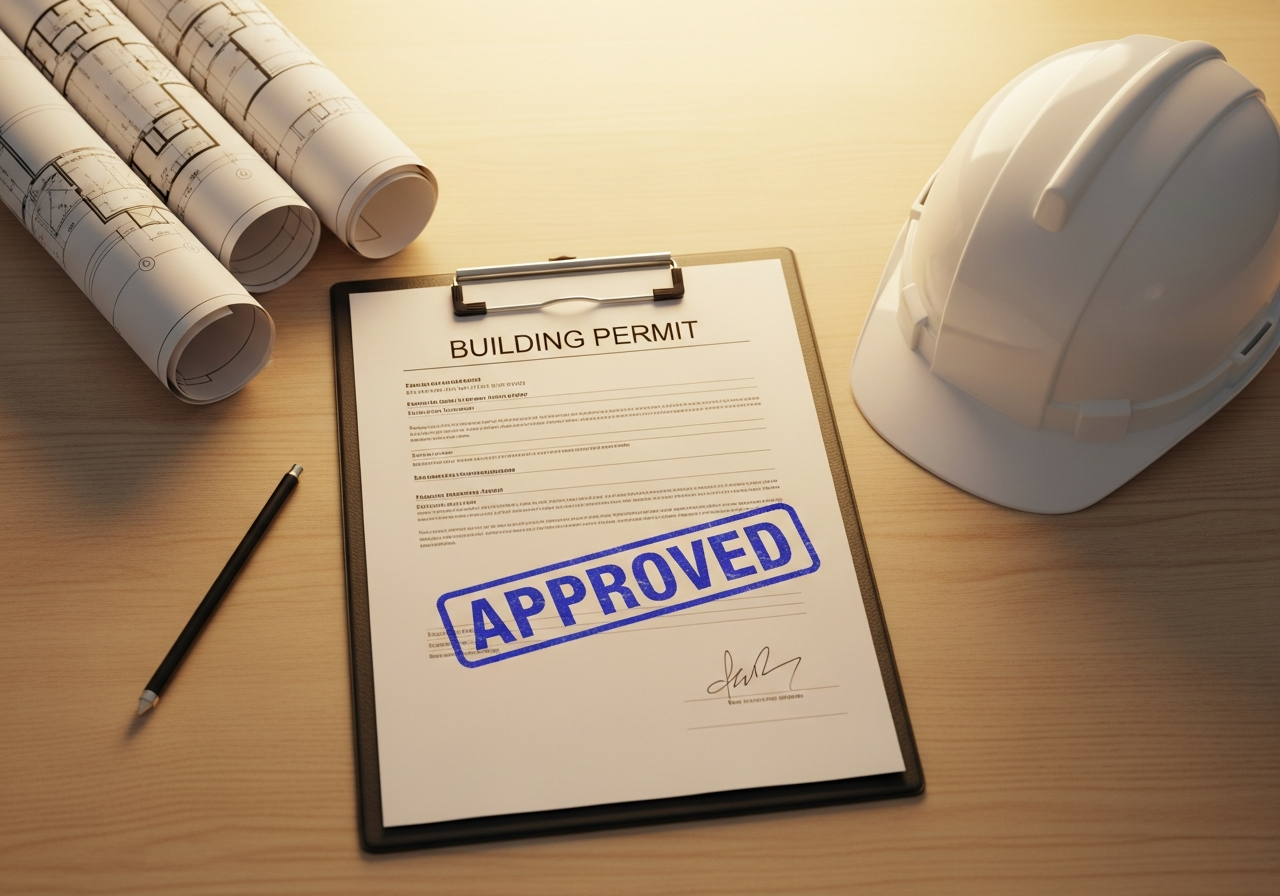

First, take a breath: a rejected permit is not the end of your project. In Florida, having a plan "rejected" or returned with comments is a completely normal part of the review process — reviewers routinely issue corrections even on well-prepared submittals. It rarely means your project is dead; it means the reviewer needs something clarified or fixed.
The real question is how you respond. A clear, complete, well-organized resubmittal can get you approved on the next cycle, while a rushed or partial response can trigger round after round of comments. This guide explains what plan review comments actually mean, how the revision cycle works, and how CORE GROUP turns a rejection into an approval.
What a "Rejection" Usually Means
When a building department returns your application, it typically comes back as a plan review comment letter (sometimes called correction comments, plan review deficiencies, or a rejection) rather than a flat denial. Each comment cites a code section or missing item the reviewer needs addressed before they can approve.
In other words, most "rejections" are really a to-do list. Understanding that distinction changes how you approach it: instead of starting over, you're answering specific questions from a specific reviewer.
Common Reasons Permits Get Rejected in Florida
The same issues come up again and again in Florida plan review. The most frequent triggers include:
- Incomplete submittals — missing site plan, survey, energy calculations, or product approvals (NOAs) for windows and doors.
- Unsigned or unsealed plans — drawings that require a Florida-licensed architect or engineer's signature and seal.
- Wind-load and structural gaps — insufficient detail for Florida's hurricane and high-velocity wind zone requirements.
- Code discrepancies — plans that conflict with the current Florida Building Code, energy code, or accessibility code.
- Zoning and setback issues — structures shown too close to property lines or in easements.
- Missing Notice of Commencement or owner/contractor information.
- Inconsistencies between drawings — the architectural, structural, and MEP sheets don't agree.
How the Revision Cycle Works
Once you receive comments, your project enters a revision cycle. Understanding the steps helps you move through it quickly:
- Read every comment carefully — each one must be addressed, even if only to explain why it doesn't apply.
- Revise the plans and documents — the design professional updates the drawings and calculations to resolve each item.
- Write a comment response letter — a point-by-point reply that tells the reviewer exactly where and how each comment was addressed.
- Resubmit — the revised package goes back into the review queue.
- Re-review — ideally the same reviewer confirms the corrections and approves, though new comments can occasionally surface.
Why the Response Letter Matters
The single biggest factor in getting approved on the next cycle is a clear, organized comment response letter. Reviewers process many projects; when your response maps directly to their comments and points to the exact sheet and detail that fixes each one, you make approval easy. Vague or partial responses invite another round of comments — and another wait.
How to Avoid Repeat Rejections
The most efficient permit is one that clears with few or no comments in the first place. Whether you're responding to a rejection or preparing a fresh submittal, these habits keep the cycles short:
- Address every comment fully — never leave one partially answered.
- Keep drawings consistent across all disciplines so a fix on one sheet is reflected everywhere.
- Include all supporting documents — the documents your jurisdiction requires — the first time.
- Use Florida-licensed design professionals whose signed and sealed plans reviewers trust.
- Communicate with the reviewer when a comment is unclear rather than guessing.
How CORE GROUP Gets Your Permit Approved
Yes — helping with rejected permits is one of the things we do most. When you bring us a comment letter, we interpret exactly what the reviewer is asking for, coordinate the revised plans and drawings, and prepare a clear point-by-point response that resolves every item. Then we manage the resubmittal and follow it through to approval.
Because we work with Florida building departments every day, we recognize which comments are routine and which need real design changes — and we know how to communicate with reviewers to keep things moving. Whether your permit was rejected once or is stuck in its third cycle, we can take it from where it is to issued. If you're stuck, send us your comments and we'll map out the fastest path to approval.