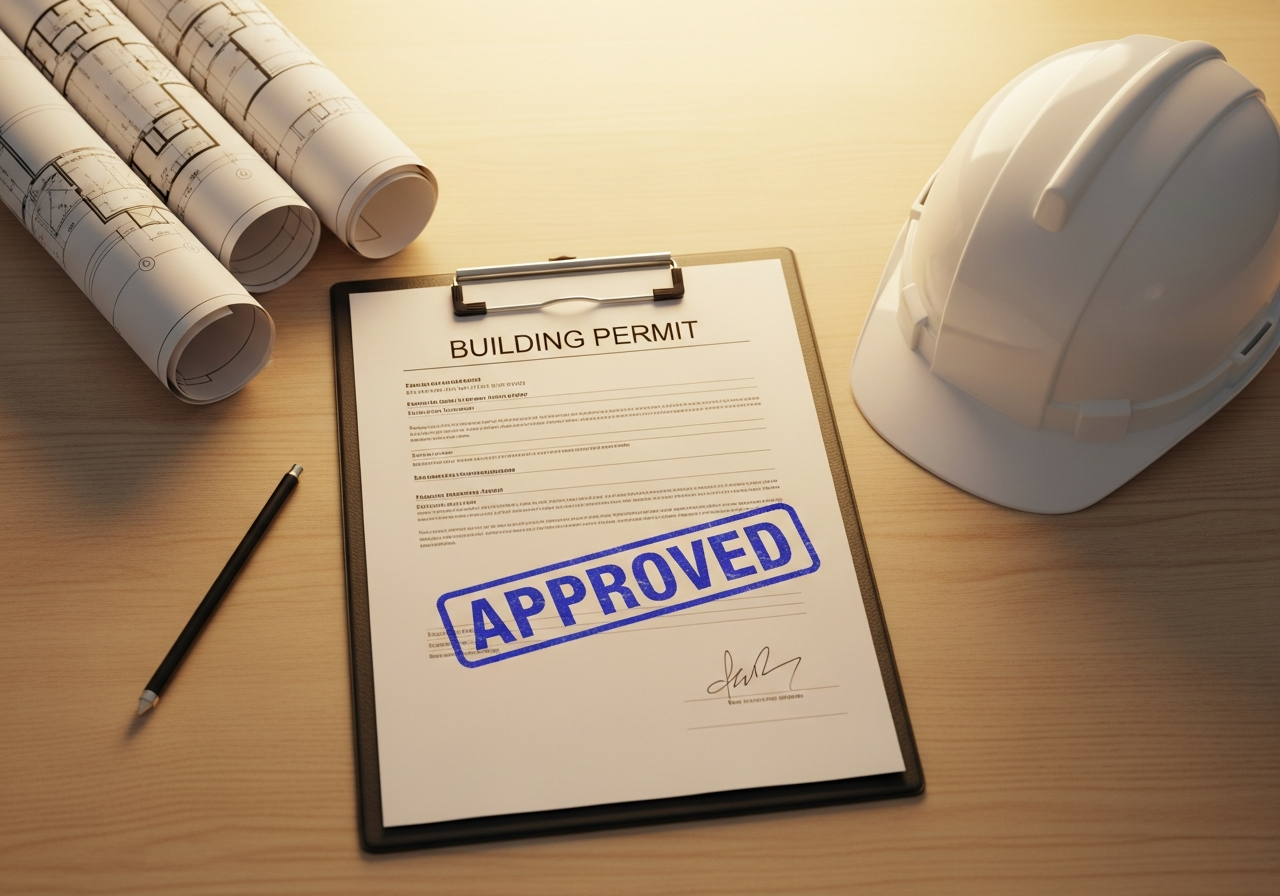
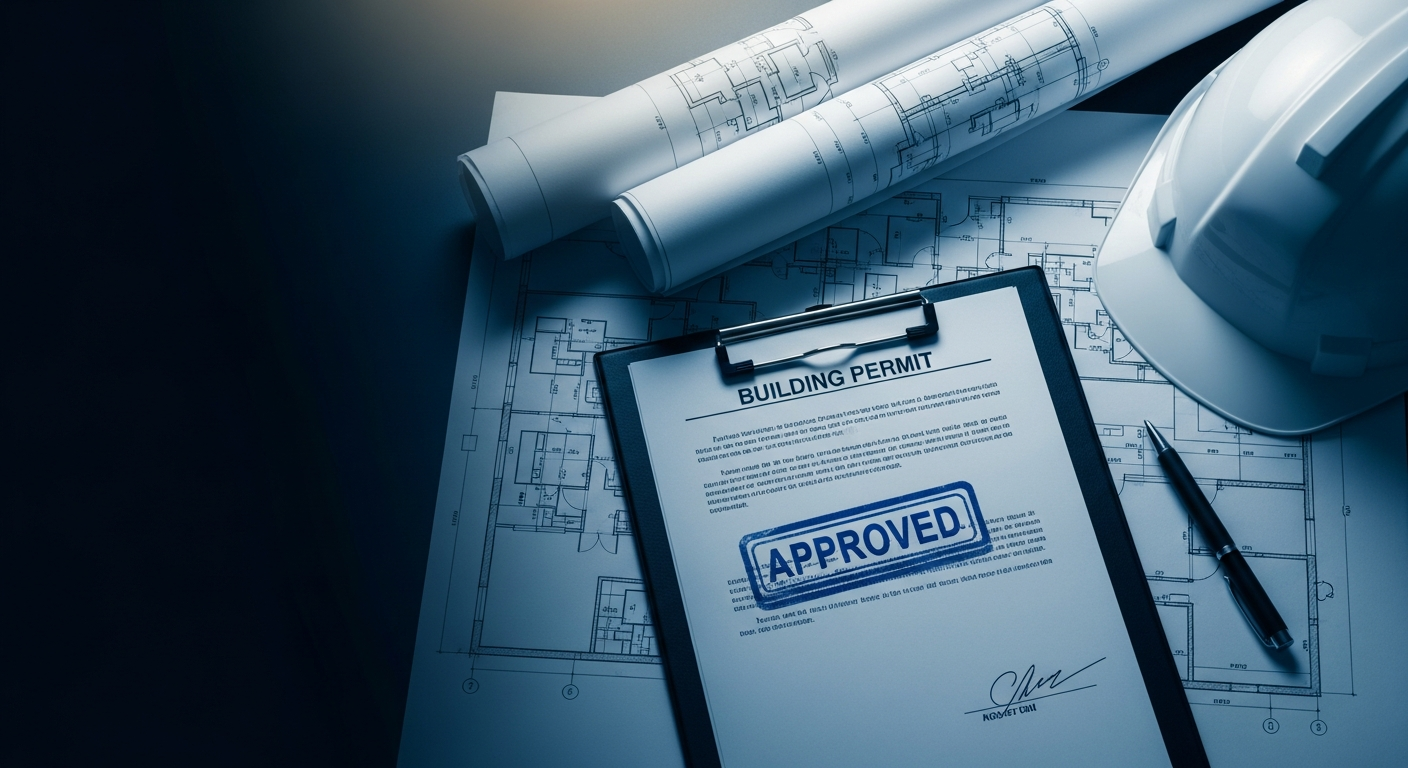
Unpermitted work surfaces the same way all over Broward County: a code enforcement notice arrives, a buyer's inspector flags an addition that isn't in county records, or a refinance appraisal shows more square footage than the property card. Whether it's an enclosed patio in Pembroke Pines, a converted garage in Hollywood, or a bathroom added in Fort Lauderdale, the fix is the same: an after-the-fact permit, also called legalization.
The process in Broward closely mirrors Miami-Dade's, but each of the county's 31 cities runs its own building department with its own penalties and quirks. This guide covers how legalization works across Broward, what it costs, and how to get ahead of it before fines accumulate. If you're already facing a violation, our legalization team can step in immediately.
What Counts as Unpermitted Work in Broward
Any work that required a permit and didn't get one is unpermitted — no matter who did it or how long ago. The most common cases we legalize in Broward:
- Enclosed patios, Florida rooms, and carport conversions
- Garage conversions into living space
- Added bathrooms, kitchens, or in-law suites
- Sheds and detached structures over the permit threshold
- Window and door replacements without impact-rated product approvals
- Electrical, plumbing, or A/C work done without trade permits
- Fences, driveways, and pavers in cities that permit them
The After-the-Fact Permit Process, Step by Step
- 1. Document the existing work — a licensed architect or engineer inspects what was built and prepares as-built drawings that show the work as it exists.
- 2. Submit the after-the-fact application — to the city where the property sits (Fort Lauderdale, Hollywood, Pembroke Pines, Coral Springs, Miramar, Pompano Beach, etc.), or to Broward County for unincorporated areas.
- 3. Pay the penalty fee — Broward cities typically charge double to quadruple the standard permit fee for work started without a permit.
- 4. Pass plan review — reviewers check the as-built plans against today's Florida Building Code; corrections may be required.
- 5. Open up and inspect — inspectors must verify concealed work, which can mean limited openings in drywall or an engineer's certification letter.
- 6. Correct and close — complete any required corrections, pass final inspections, and the permit closes. The work is now legal.
What It Costs — and What It Costs to Wait
A Broward legalization budget has three parts: the penalty permit fee (2x–4x the normal fee), professional fees for as-built plans and any engineering certifications, and construction costs for corrections the review requires. For a typical enclosed patio or garage conversion, the total commonly lands between $3,000 and $10,000 — more if structural corrections are needed.
Waiting is the expensive option. Once code enforcement opens a case, cities can impose daily fines — often $100 to $250 per day per violation — that keep running until the work is legalized or removed. Fines can become liens against the property, and unresolved violations follow the property to every future sale. Acting before or immediately after the first notice is the single biggest cost saver.
Broward vs. Miami-Dade: What's Different
If you've been through a legalization in Miami-Dade, Broward will feel familiar — value-based fees, penalty multipliers, as-built plans, and inspections. The practical differences: Broward has no county-wide permit portal covering the cities, so every jurisdiction's records must be searched separately; penalty multipliers and lien policies vary noticeably from city to city; and several Broward cities require a special magistrate hearing once a violation reaches a certain age, which adds a legal timeline on top of the permitting one.
That's why local process knowledge matters more than anything in Broward: knowing which city accepts an engineer's letter for concealed work, which requires exploratory openings, and which will reduce accrued fines once a permit application is on file. For the Miami-Dade version of this process, see our guide on closing open permits in Miami-Dade.
How CORE GROUP Handles Broward Legalizations
We run the entire after-the-fact process as one package: a full permit and violation search across the relevant jurisdictions, as-built drawings prepared by our own architecture team, the application and penalty negotiation with the city, and inspection management through final closure. Because the drawings and the permit management are under one roof, nothing stalls between the architect and the expediter.
If you've received a violation notice in Broward — or want to fix unpermitted work before selling — contact us for a free assessment. We'll tell you exactly what's involved, what it will cost, and how fast it can close.